Construction (Built) Mortgages
A Construction Mortgage helps you finance the building or major renovation of your home—so you can bring your vision to life with structured funding released as your project progresses.
If you’re planning to build a new home or complete a major renovation, financing the project can feel overwhelming. A construction (build) mortgage is designed specifically for situations like this, helping homeowners access the funds needed to bring their building plans to life.
Whether you’re building from the ground up or significantly upgrading an existing property, a construction mortgage can provide the structured financing needed to move the project forward
What is a Construction (Build) Mortgage?
A construction mortgage is a type of loan used to finance the building of a new home or major renovations to an existing property. Unlike a traditional mortgage where the full loan amount is provided upfront, construction mortgages release funds gradually as the project progresses.
This approach helps lenders manage risk while ensuring the funds are used for each stage of the construction process.
How Construction (Build) Mortgages Work
Construction mortgages typically release funds in stages known as “draws.” Each draw corresponds to a milestone in the building process. Most projects have three to five draw stages, depending on the lender and the type of construction.
Common construction stages include:
Initial Draw
This first stage covers the purchase of land or early construction expenses such as site preparation and foundation work.
Framing Stage
At this stage, the structural framework of the property is completed.
Lock-Up Stage
The home becomes enclosed with windows, doors, and roofing installed, making the structure weatherproof and secure.
Interior Stage
Interior work begins, including drywall, flooring, cabinetry, and fixtures.
Completion Stage
The project is finalized and ready for occupancy.
Before releasing funds for each stage, the lender typically sends an appraiser or inspector to confirm the work has been completed according to the approved plans. Once verified, the next draw is released.
Requirements to Qualify for a Construction Mortgage
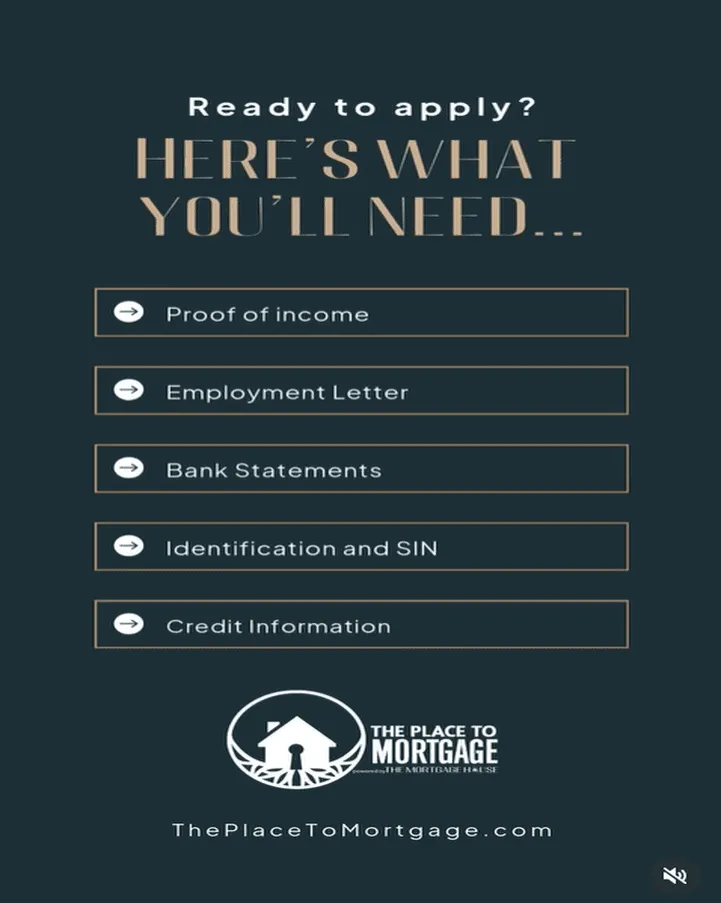
To qualify for a construction mortgage, lenders usually require more documentation than a standard home loan. This helps ensure the project is well planned and financially viable.
Typical requirements include:
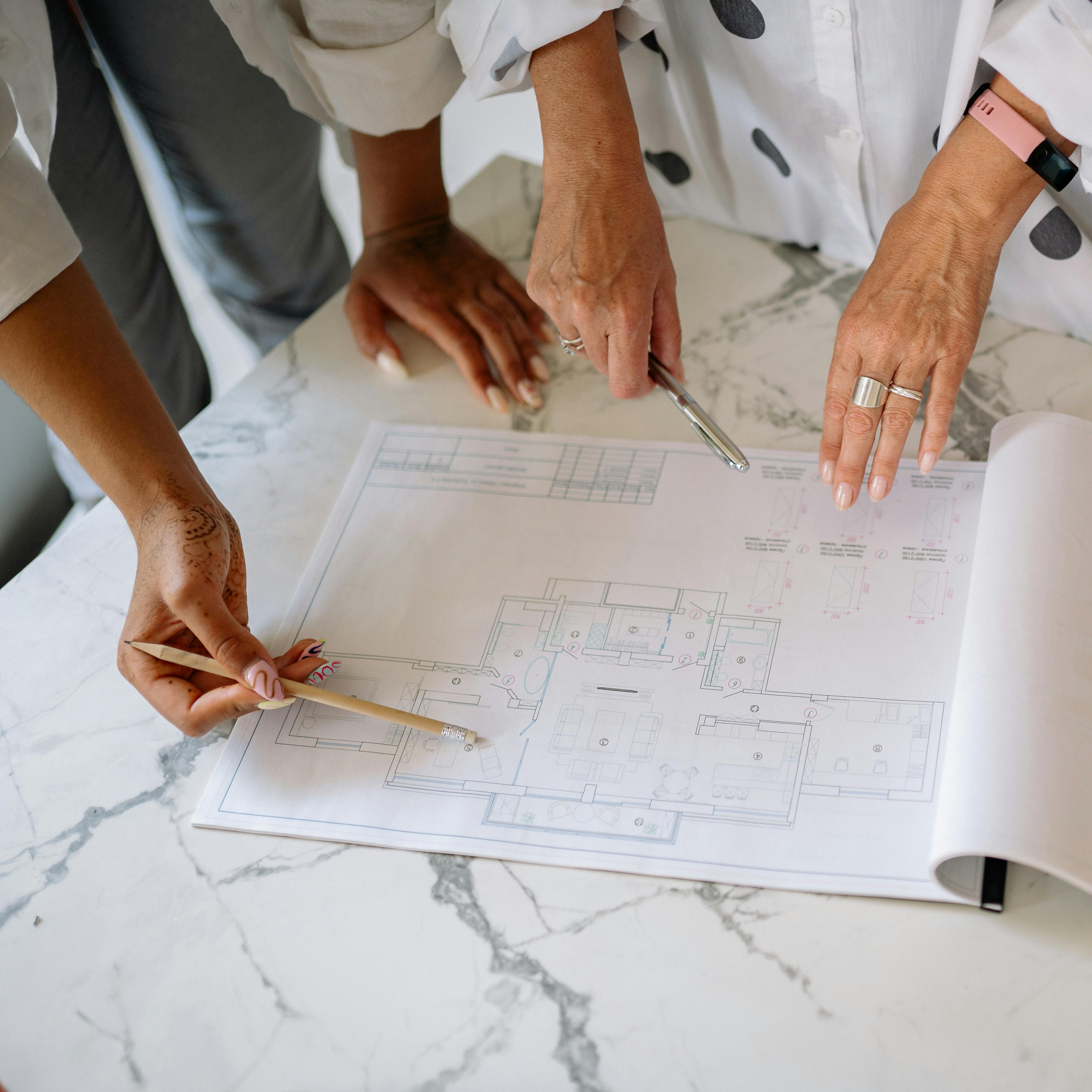
Detailed building plans
Estimated construction costs
A contract with the builder
Proof of income and financial stability
A down payment
Most lenders require a down payment between 10% and 20% of the total project cost, although this can vary depending on the lender and the specifics of the build.
Construction mortgages may also have slightly higher interest rates compared to traditional mortgages because the project carries additional risk during the building phase.
Tips for Applying for a Construction Mortgage
Planning ahead can make the process much smoother. Here are a few key steps to improve your chances of approval.
Work with a reputable builder
Choosing an experienced builder with a strong track record helps reassure lenders that the project will be completed properly and on schedule.
Prepare detailed plans and budgets
Providing clear construction plans and cost estimates allows lenders to evaluate the project and understand the overall investment.
Set realistic timelines
Construction projects can face delays due to weather, materials, or labour shortages. Building flexibility into your timeline helps avoid unnecessary stress.
Plan for unexpected costs
It’s wise to have a financial buffer in case the project runs into unforeseen expenses.
Start Your Construction Mortgage Journey
A construction mortgage can be an excellent solution if you’re planning to build a custom home or undertake a major renovation. With the right planning and financing structure, you can turn your vision into reality.
If you’re considering building or renovating, book a consultation today to explore your construction mortgage options and determine the best approach for your project.

NEED HELP GETTING STARTED?
Come meet our team and discover how our expertise and personalized services can help you reach your homeownership goals with confidence.